
CIRA Science Stories

Author: Theresa Barosh Posted: May 18th, 2026
Doctoral student Jennifer McGinnis has been a lifelong learner in the field of aerosols in her time at Colorado State University, even working through a federal shutdown to learn from the experience. She uses weather satellites for her research.

Author: Josh Rhoten Posted: May 18th, 2026
When rain falls on snow in the Arctic, ice layers can form on top of and within the snowpack. This increasingly common dynamic can influence the ability of animals, including caribou and muskoxen, to forage and move across the landscape.
Author: Theresa Barosh Posted: May 15th, 2026
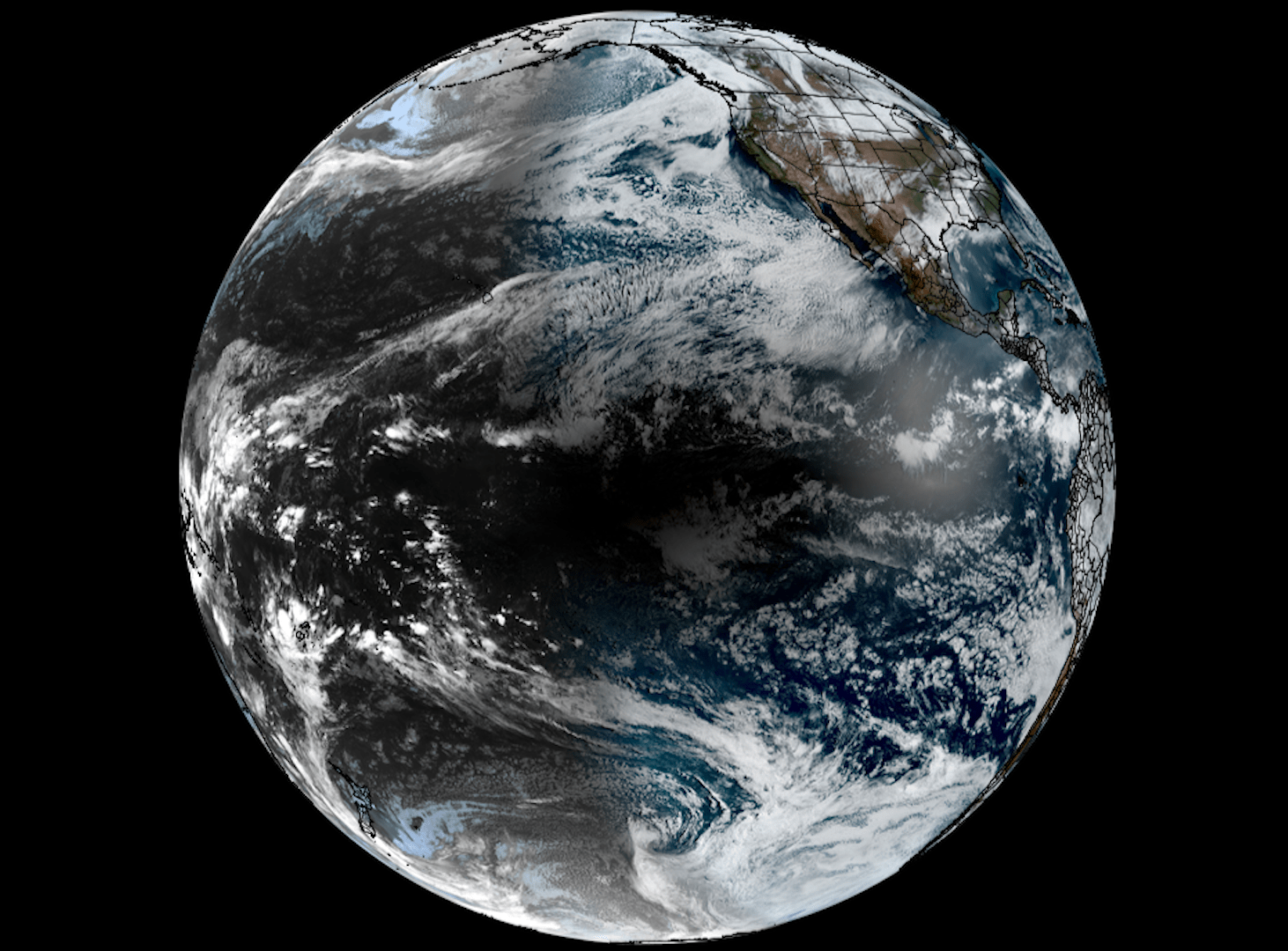
Deputy Project Manager and Scientific Python Developer Gwyn Uttmark was honored with the 2026 Walter Scott Jr., College of Engineering Rising Star Researcher Award. Uttmark’s work is key to achieving the goals of a multi-million-dollar CIRA project funded by the Office of Naval Research.

Research Finance Manager honored with AP Star Award
Author: Theresa Barosh Posted: April 23rd, 2026
In the nomination for Kristen Parks, researchers said she “constantly implements the required procedures that allow our CIRA team to conduct novel and important research.”
Author: Jared Stickney Posted: March 13th, 2026
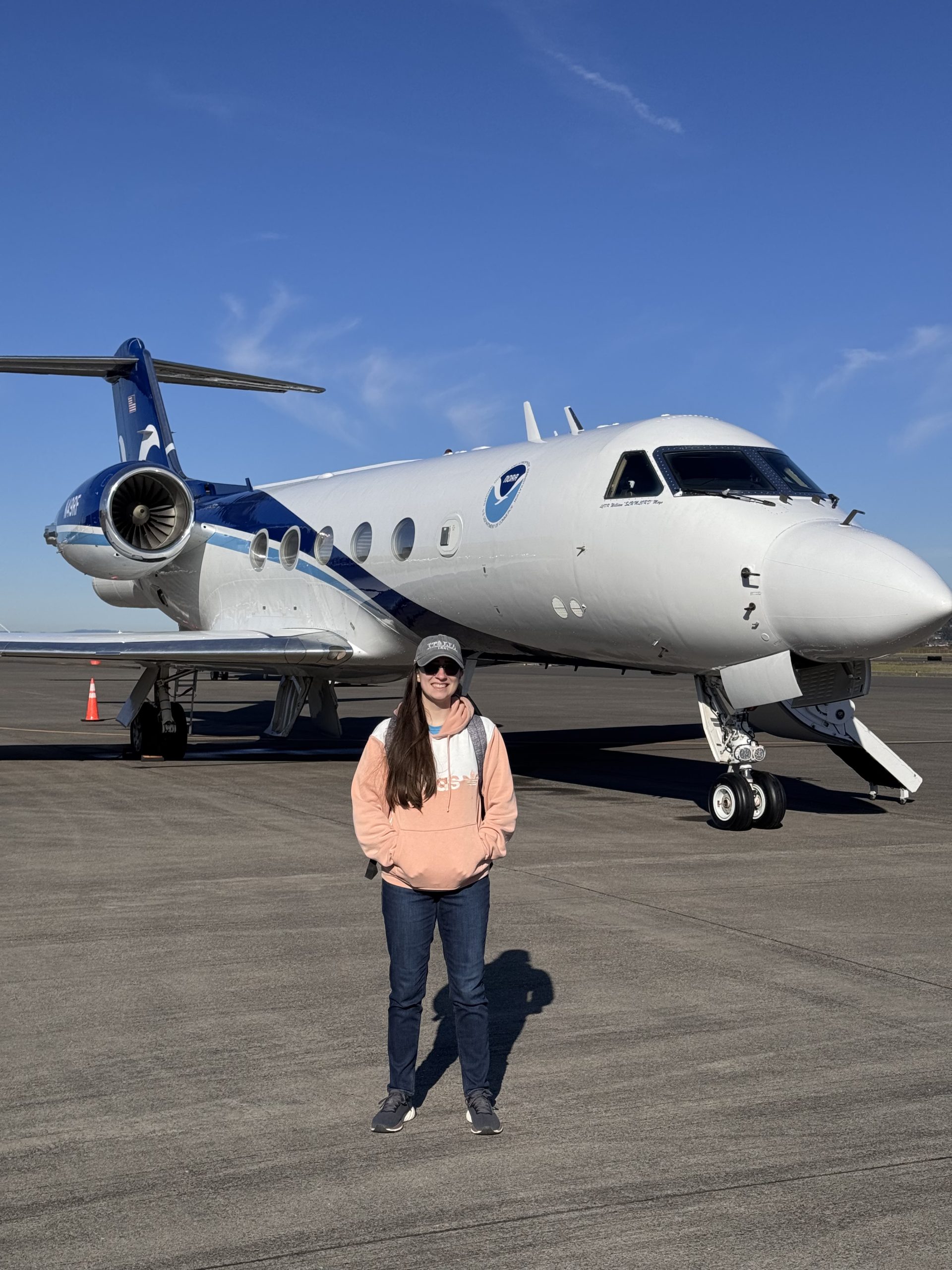
Sierra Whiteman, a Master’s student at CSU’s Department of Atmospheric Science in Professor Steven Miller’s group, works on a multi-scale study of atmospheric rivers to determine the factors that contribute to their origin, structure, size and intensity globally.
Five weather drone facts
Author: Theresa Barosh Posted: February 5th, 2026
NOAA Administrator Neil Jacobs, Ph.D., spoke to what NOAA may look like in five years, saying there would be more use of autonomous vehicles, such as drones. CSU researchers shared a few details about weather drones.
Author: Theresa Barosh Posted: September 26th, 2025
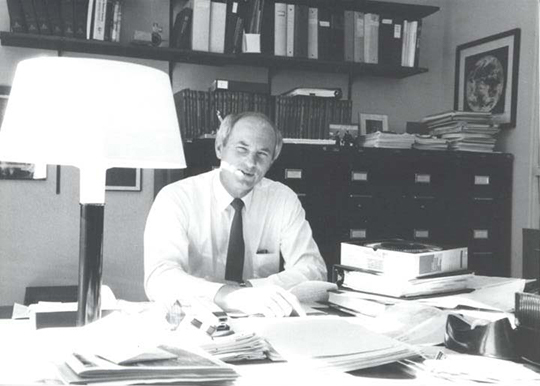
On Sept. 12, 1980, the president of Colorado State University signed the cooperative agreement with NOAA that resulted in the Cooperative Institute for Research in the Atmosphere (CIRA). Now, 45 years later, CIRA is recognized as an authority in weather satellite data.
Author: Theresa Barosh Posted: September 16th, 2025
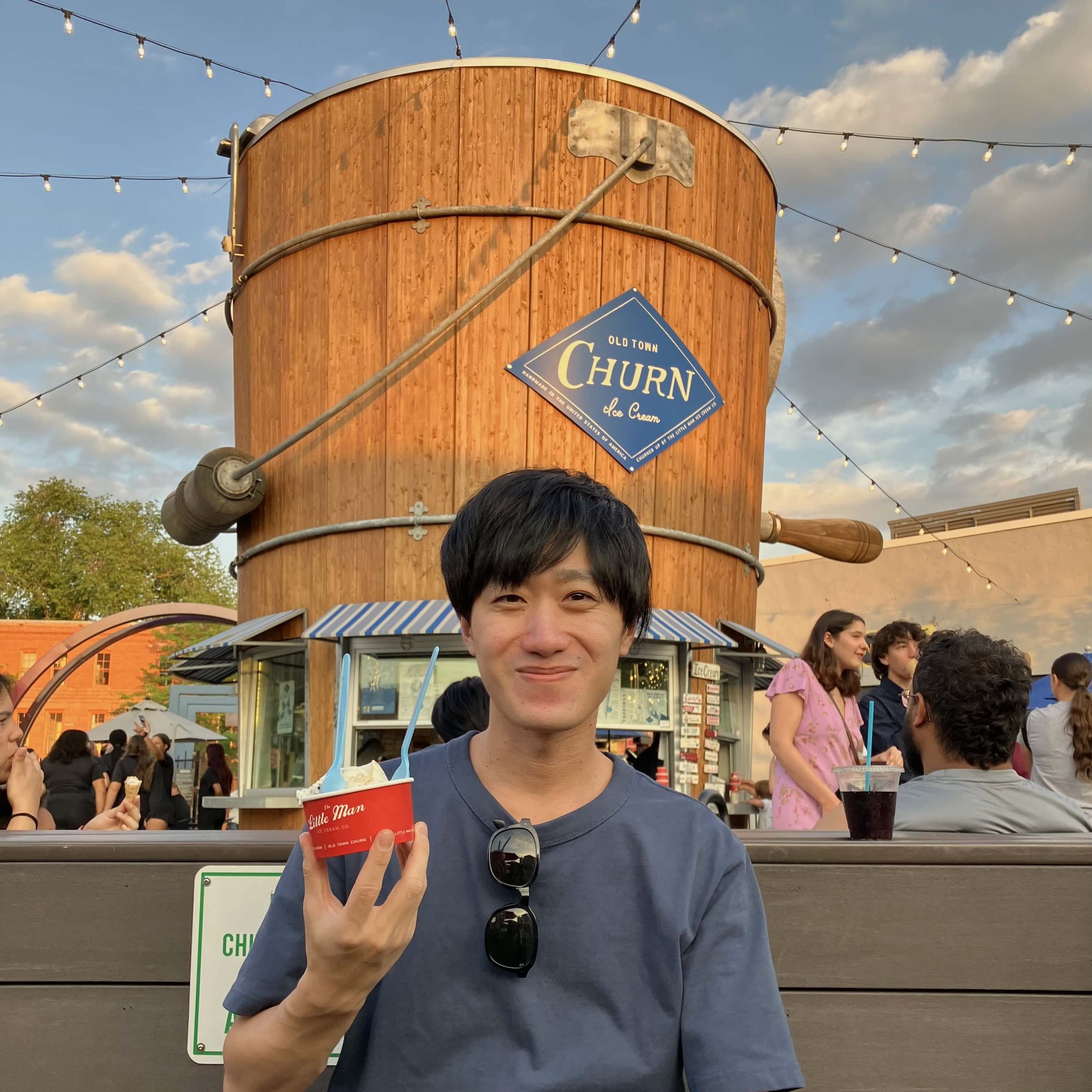
The Meteorological Society of Japan honors Colorado State University Postdoctoral Fellow Taiga Tsukada with the Yamamoto Award. Tsukada receives the award in recognition for his work developing a novel wind estimation method using high-frequency observations from meteorological satellites.
Author: Theresa Barosh Posted: September 3rd, 2025
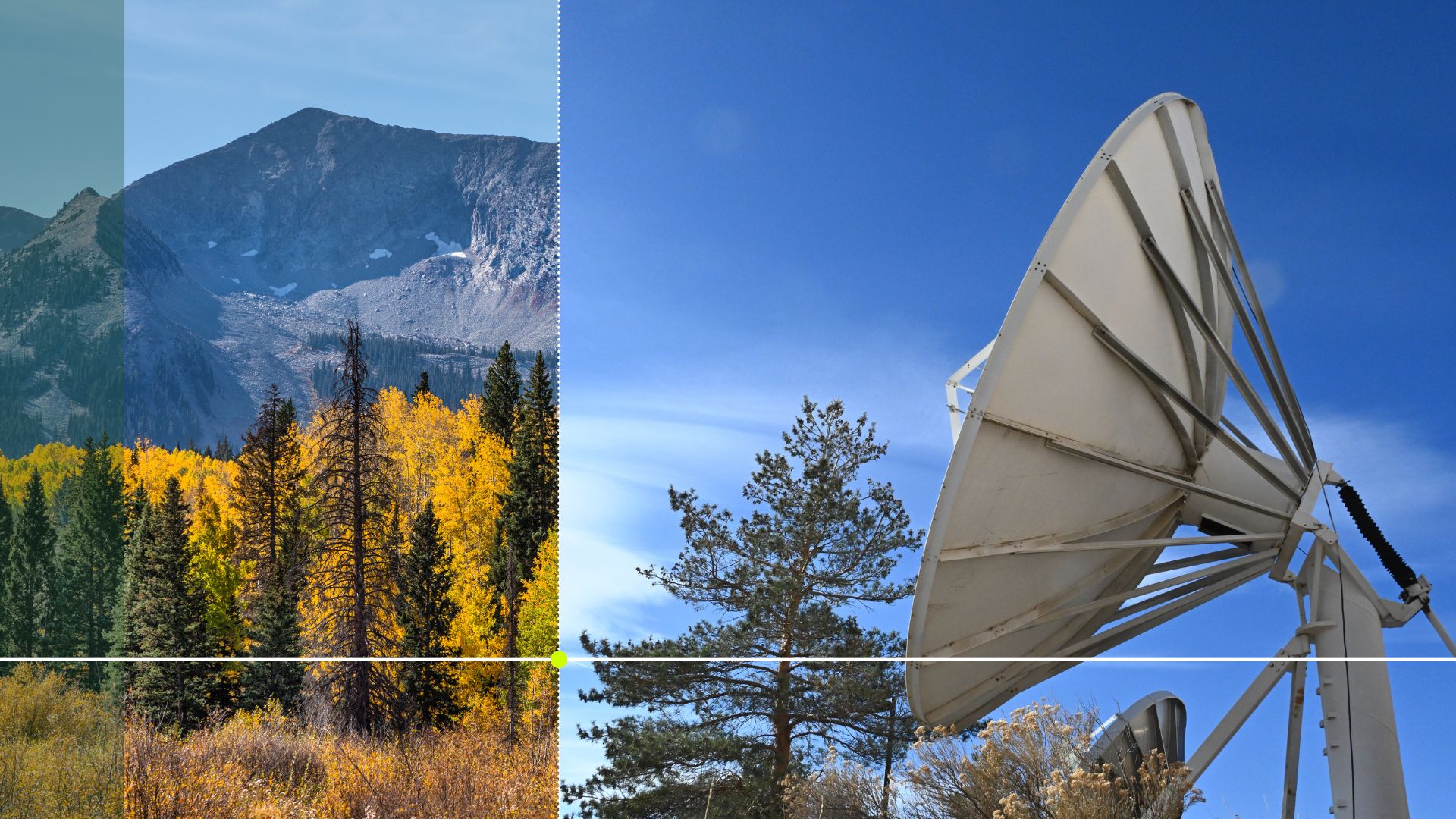
After 30 years at CIRA, Senior Research Associate Bernie Connell celebrates her retirement this month. Connell supported forecasters, managers and decision makers with trainings on satellite products in the national and international communities during her time at Colorado State University.
Author: Theresa Barosh Posted: August 13th, 2025
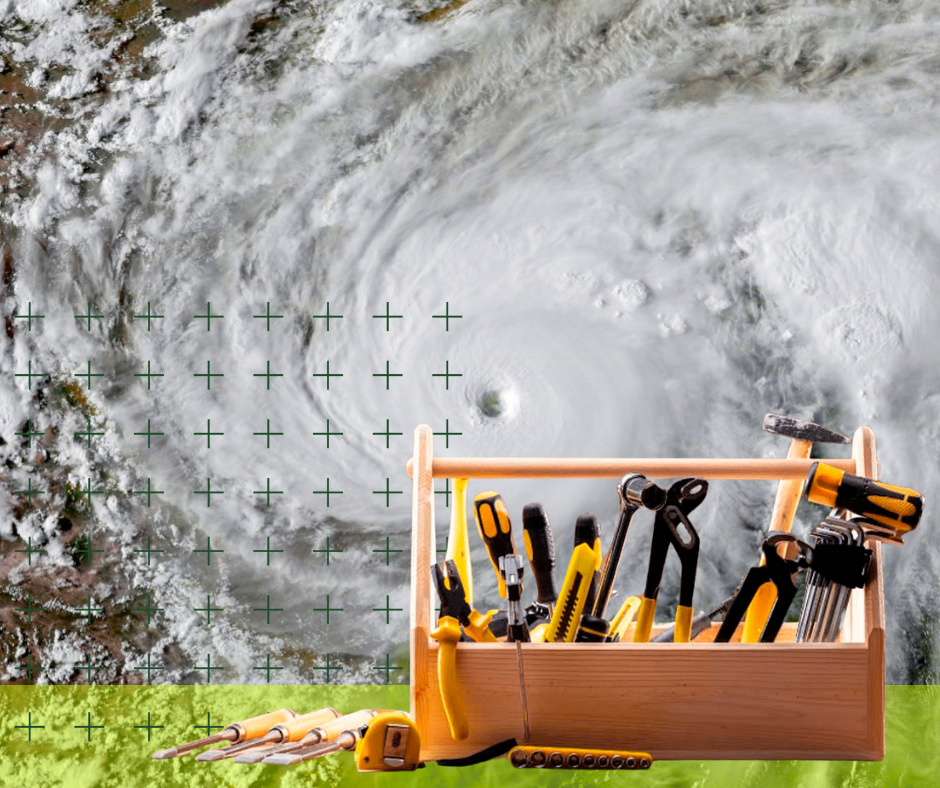
CIRA researcher Kate Musgrave specializes in AI hurricane forecasting. With family in the Southeastern United States, the challenge of hurricane forecasting is extremely important to her. She speaks to recent research advances and shares stories from the past worth learning from.

Author: Theresa Barosh Posted: July 30th, 2025
Tom Kent has been with NOAA 40 years and CIRA for 29 of those. Most of his career was spent on data management and decoding software for real-time operations in the National Weather Service field. Congrats on retirement, Tom!

Understanding flood danger both imminent and in the future – CIRA researchers at the forefront
Author: Theresa Barosh Posted: July 22nd, 2025
When it comes to long-term datasets, NASA is a leader in multidecadal records. CSU’s CIRA has a team led by John Forsythe working with NASA on the next big water vapor dataset based on satellite information.

Author: Theresa Barosh Posted: July 16th, 2025
An expert team at CIRA will manage, process and distribute the daily terabytes of data the NASA INCUS, or Investigation of Convective Updrafts, satellite mission will collect. CIRA began developing the data processing center for INCUS in 2021.

Author: Theresa Barosh Posted: July 15th, 2025
CIRA researcher Stan Rhodes is part of a team that has spent the last two years working to understand flood fatalities nationwide. Rhodes recommends starting with the result, such as an injury or fatality, and working backwards from there to determine what events and decisions brought the individual to that outcome.

Author: Theresa Barosh Posted: July 11th, 2025
The research has progressed through the NASA standard Technology Readiness Levels, which means that the model is moving from a research project towards a product suite that could be used by public forecasters. These Readiness levels indicate NASA’s assessment of the maturity of technologies from concept to successful operations so that new innovations can one day be used more widely.

Author: Theresa Barosh Posted: June 16th, 2025
The CIRA Research and Service Initiative nominated awards are competitive, reviewed by a standing committee. Naufal Razin and Barbra Lashbrook received the awards in the categories of Research Initiative and Service Initiative, respectively.

What is responsible for most inland flood fatalities?
Author: Theresa Barosh Posted: June 6th, 2025
Why do about 88 people die from inland flooding every year in the United States? How are they dying? CIRA researcher Shelby Weder led an effort to delve into flood fatalities. The team said that findings tend to surprise people – the main cause of death is not what most people would guess.

Retrospective on 2024 Atlantic hurricane season
Author: Theresa Barosh Posted: June 2nd, 2025
The Atlantic Ocean was unusually quiet during the typical peak hurricane season last year. It looked like Colorado State University’s 2024 hurricane season forecast had overestimated with their highest prediction yet. Then, the season turned around with the most late-season activity ever recorded.